Empowering Patients: Navigating Oncology, Treatment Options, and Community Support
Navigating a cancer diagnosis is often likened to sailing on uncharted waters—daunting, even terrifying. Whether you or a loved one are facing the reality of a malignancy, the journey through oncology can feel overwhelming. But fear not! With the right patient information and community support, you can confidently steer your ship through this storm. It’s all about understanding your options and discovering the resources available to you for navigating treatment paths successfully.
Imagine stepping into a world where healthcare isn’t just about hospital visits and medications; it’s about empowerment, knowledge, and an unwavering sense of hope. ‘Knowledge is power,’ as they say, and in the realm of cancer treatment, this could not ring truer. From educational resources that shed light on tumor types to learning about groundbreaking therapies such as immunotherapy, you are equipped with the tools needed for combating your diagnosis. Have you tapped into the wealth of information available through medical research and studies?
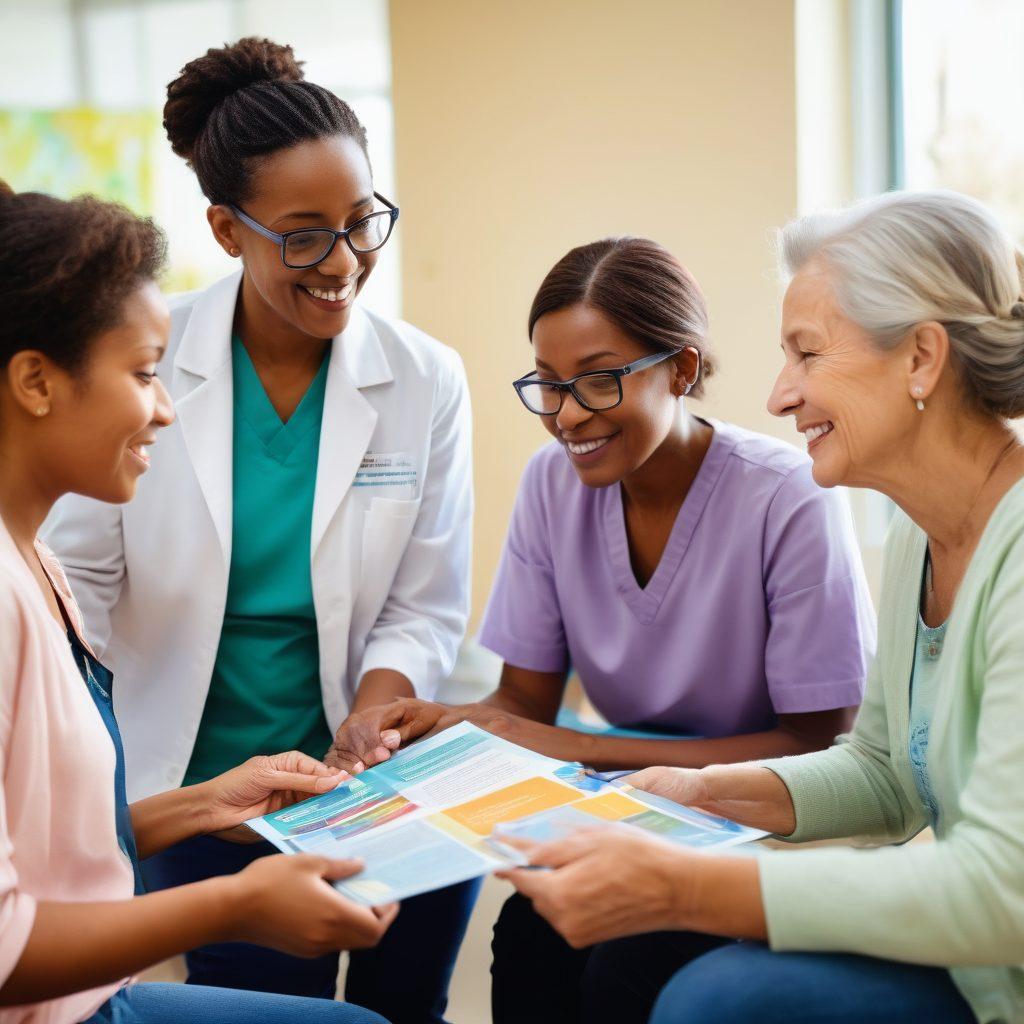
Oncology encompasses various treatment options like chemotherapy, radiation therapy, and palliative care. Each path represents a different strategy to managing symptoms and combating malignancy, but how do you choose the right one? This is where patient advocacy becomes crucial. Ask questions, seek second opinions, and don’t hesitate to connect with support groups. You’ll find that many who have traversed similar paths are eager to share their stories, insights, and tips—adding a personal touch to the sometimes clinical world of healthcare.
One cannot overlook the importance of lifestyle adjustments and health awareness on your cancer journey. A balanced diet, regular exercise, and holistic health practices can often make a tangible difference in your overall wellness, especially during treatment. It’s not just about surviving but thriving as a cancer survivor! Reflect on your current habits; could a few small changes empower your spirit and body to fight with more vigor?
Finally, let us consider the power of community and the role it plays in this journey. Through patient support groups and educational events, individuals are reminded that they are not alone in their fight. The tender hearts and stories of others in similar situations offer solace, encouragement, and practical tips for symptom management. Remember, while the path may be rocky, together we can illuminate the way forward toward healing, advocacy, and ultimately, health.
From Diagnosis to Recovery: Harnessing Community Support and Resources for Patients
When faced with a cancer diagnosis, navigating the complex world of oncology can feel overwhelming. The journey from diagnosis to recovery is not merely a medical expedition; it is a life-altering chapter filled with uncertainty, hopes, and often fear. However, amid this tumult, one resource can shine brightly: community support. It is this network of individuals and resources that can embolden patients, providing a beacon of hope as they traverse the daunting landscape of treatments and therapies. What if we could transform this challenging journey into one of empowerment and resilience?
Imagine waking up one day to hear the words "malignancy" or "tumor" spoken in the same breath as your own name. It’s a moment that changes everything. Yet, it’s important to remember that these words do not mark an end, but rather the beginning of a new journey—one where early diagnosis and timely intervention become pivotal. By leaning on community support and educational resources, patients can become partners in their healthcare, making informed decisions that pave the way for a healthier future. Wouldn’t you agree that knowledge truly is power, especially when it comes to health awareness?
As you embark on this journey, consider how critical patient information and advocacy are in navigating treatment options like chemotherapy, radiation therapy, and immunotherapy. Each therapy offers unique avenues for fighting cancer, but understanding their implications—side effects, success rates, and lifestyle adjustments—requires digging deeper. This is where support groups and wellness communities come into play. They not only provide insights from fellow cancer survivors but also help demystify the nuances of biomedical research behind your symptoms. Have you ever wished you could talk to someone who has walked that path before you?
Furthermore, the emotionally charged atmosphere surrounding cancer can precipitate a range of feelings—from hope to despair. This is why palliative care and holistic health approaches are gaining traction. They focus not just on the malignancy, but on the whole person and their overall wellness. Engaging with community support can provide essential emotional and mental boosts. Whether through local support groups or online forums, these platforms allow patients to share their fears, triumphs, and lifestyle adjustments, all while focusing on cancer prevention and healthy living. Isn’t it comforting to know you’re not alone in this battle?
Finally, remember that engaging with your community can also spark action. Participating in clinical trials or fundraising for medical research can empower you further. Every bit of awareness and advocacy contributes to a larger movement that champions better outcomes for everyone affected by cancer. There’s a cornerstone truth here: recovery isn’t just an individual journey; it’s a collaborative effort. With the right community support and resources, patients can emerge victorious, stepping into the light as cancer survivors, ready to share their stories of resilience and hope. What will your story be?
Empower Yourself: A Comprehensive Guide to Cancer Care, Research, and Wellness Strategies
Cancer can feel like an insurmountable challenge, but let me tell you—empowerment is the first step towards navigating this daunting journey. The landscape of oncology is ever-evolving, presenting not just fear, but also hope through innovative treatment options and community support. Imagine having access to comprehensive patient information that arms you with knowledge, enabling you to make informed decisions about your health. This guide aims to illuminate your path so you can become your own advocate, whether you're just starting your journey with early diagnosis or seeking the latest findings from medical research.
The world of malignancy can often feel cold and clinical, but within it lies a wealth of opportunities for healing, both physically and mentally. It’s essential to explore all available therapy options, from chemotherapy to promising innovations like immunotherapy. Incorporating educational resources into your cancer care regimen can unlock doors you never thought possible. Have you ever considered how lifestyle adjustments could enhance your wellness? Simple changes—like adopting healthy living habits or engaging in symptom management techniques—can have profound effects on your journey. As American poet Maya Angelou said, "You may not control all the events that happen to you, but you can control your attitude toward them. "How will you choose to respond to your journey?
As we dive deeper into the resources available, let's shed light on clinical trials. These trials represent a beacon of hope, paving the way for groundbreaking biomedical research in cancer prevention and treatment. What if you could be part of something bigger while seeking relief from your tumor's grasp? By participating in clinical trials, you not only contribute to the greater good but might also find yourself a step closer to pioneering therapies. It’s a win-win that can provide you an edge in your fight against malignancy.
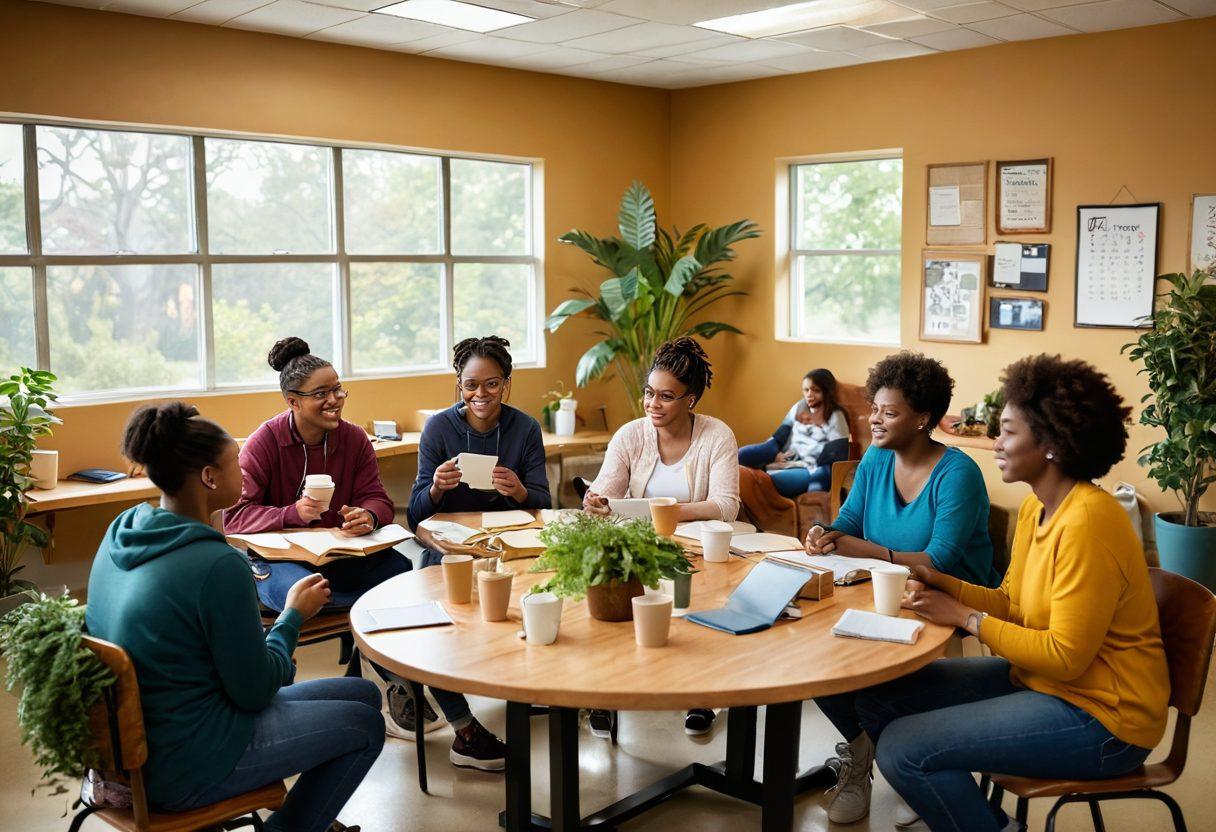
Community support plays a pivotal role in cancer care, bringing together cancer survivors, caregivers, and advocates to share stories that inspire and uplift. Support groups can serve as a secondary family, where voices are heard, and emotions are validated. Have you ever felt the weight of your journey lighten just by sharing with someone who understands? These connections foster resilience, helping you not only to cope but also to thrive through palliative care and beyond. Remember, in this fight, you are never alone; together, we are stronger.
Lastly, let’s not forget about health awareness and the importance of prevention. After navigating the rough waters of treatment, becoming a cancer survivor can feel both liberating and daunting. As you embark on this new chapter, consider forming new habits to support your holistic health. How can you turn your experience into a testament of empowerment for others? From educational resources on recovery to making informed lifestyle choices, your story can fuel the fire of those who are just beginning their journey. Together, let’s create a culture where support is continuous, and barriers are shattered, paving the way to a brighter future for all.